
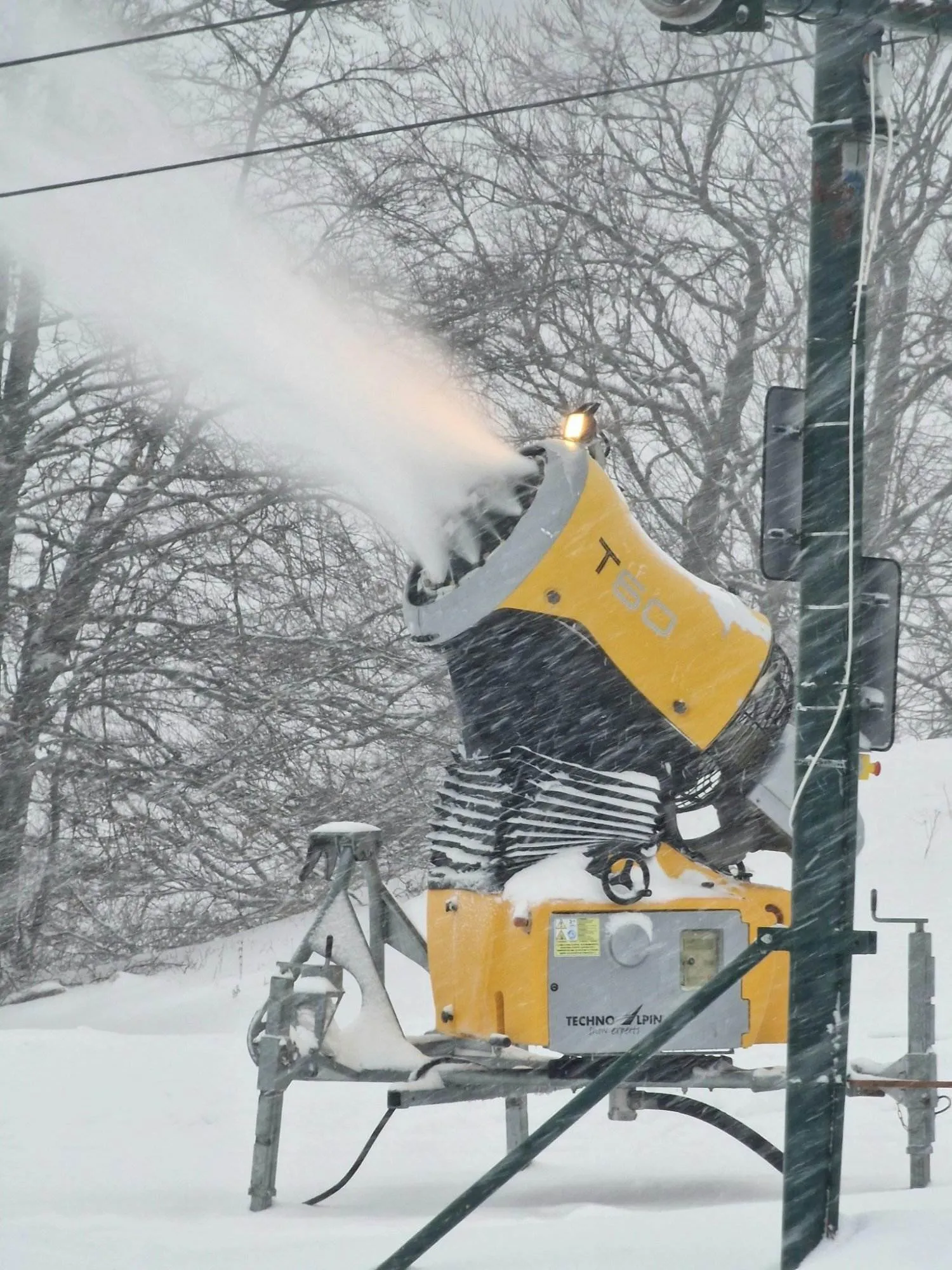
When we picture mountains in winter, we immediately think of snow-covered slopes, snow-white peaks and perfect runs. But at a time when climate change is making natural snow more and more unpredictable, there is often extraordinary technology behind the white magic: the snow cannon.
This machine, a silent protagonist of winter nights, enables ski resorts to guarantee perfect slopes even in the absence of precipitation. A mix of physics, engineering and climate adaptation which is indispensable today, especially for large international events such as the Winter Olympics Milan Cortina 2026.
When Nature is not enough: why the snowplow is needed
In recent decades, thesnowmaking has become critical to the economic and sporting survival of ski resorts. Short seasons, fluctuating temperatures and scarcity of natural snowfall have forced resorts to invest in snowmaking equipment To ensure safe and passable trails.
Ahead of events such as the Olympic and Paralympic Games, the use of artificial snow is not only useful but essential to ensure approved and uniform standards for international competitions.
How does a snowplow work?
The snow cannon - also known as the snow gun - is a machine that turns water and compressed air into snowflakes. But it is not simply "shaved ice"-the process is much more refined.
Here are the basic steps:
- Water is pumped at high pressure Inside the cannon.
- It is mixed with compressed air cold or cooled by a refrigeration system.
- The mixture is atomized by nozzles into tiny droplets.
- If the air temperature is low enough (below -2°C) and the humidity is favorable, the droplets crystallize on the fly and fall to the ground like snow.
Some models use centrifugal impellers to push the particles farther apart, others employ static towers to cover precise areas and high slopes. Snow produced in this way is more compact and durable than natural snow, excellent for slope bottoms and high-impact disciplines such as the alpine skiing or the freestyle.
Types of snowploughs
- Fan guns: more powerful, cover large areas.
- Static lances: less noisy, ideal for technical areas and narrow slopes.
- Automated facilities: remotely controlled by software or climate AI.
- Hybrid systems with weather sensors: they trigger production based on real-time data.
How much does a snowplow cost?
A single snow cannon can cost between:
- 15.000 € e 40.000 € For basic/manual models.
- 40.000 € - 100.000 € For automatic models with weather sensors and remote control.
- To which are added pumping plants, underground piping, management controllers, and high energy costs, especially for compressed air and water.
For an Olympic track several kilometers long, you need dozens of cannons, with total costs that may exceed the million euro.
Where are they used in the world?
Today, artificial snowmaking is used in all Alpine, North American, and even Asian ski resorts. From the Italian Alps to South Korea, via the Beijing 2022 Olympics, where the entire snowpack was synthetic.
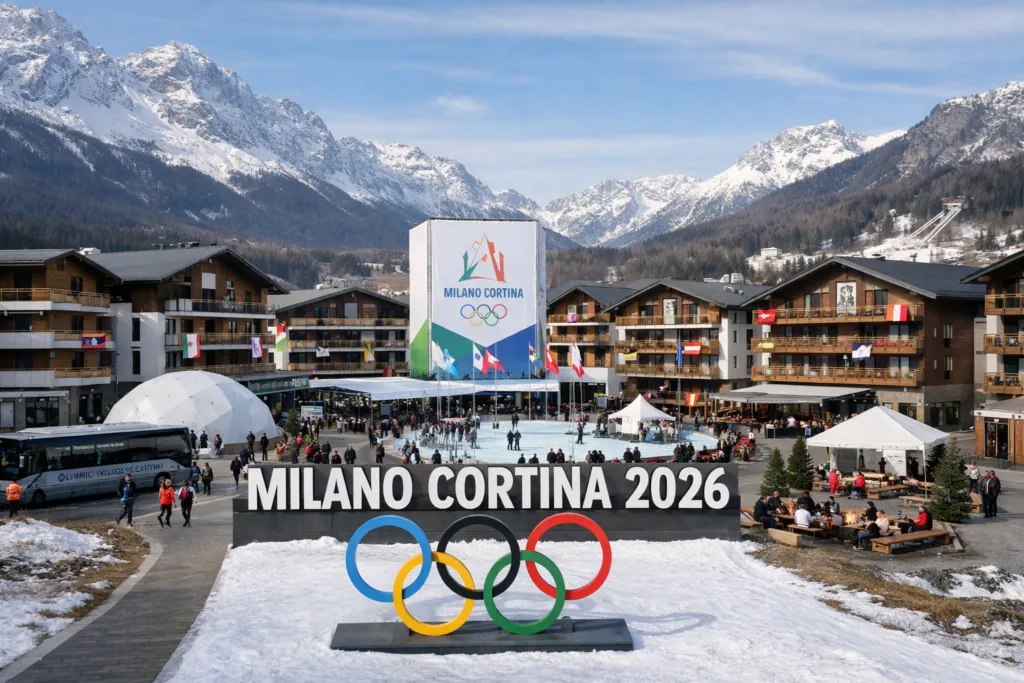
Milan Cortina 2026 will focus on artificial snow in many locations (Livigno, Bormio, Cortina), but with a focus on thesustainable water use, energy from renewable sources, and cannons to high energy efficiency, which reduce consumption by 30-40%.
A snow that tastes of the future
Snow cannons have become a symbol of climate adaptation and innovation. While in the past they were a luxury for large areas, today they are a necessity. Their use raises environmental questions, but also opportunities to develop more sustainable technologies, reduce waste and lengthen ski seasons. In a changing world, even snow can be engineered. And while nothing will ever replace the beauty of a natural snowfall, knowing that there is a machine that can recreate its magic...well, it is already a small marvel of human ingenuity.




 Italiano
  English
  Русский
  Français
  Deutsch
  简体中文
简体中文 