
How many law enforcement agencies, who they are, and by what means they will provide security
The Milan-Cortina 2026 Winter Olympic Games will be a global event, with about 3,500 athletes and more than two million visitors expected. To ensure public order, anti-terrorism protection, crowd control and digital and physical security of the venues and city areas, the Italian government has prepared a massive national security plan.
How many people will be employed for security?
About 6,000 men and women of Italian law enforcement will be deployed throughout the territory involved in the Games.
These include:
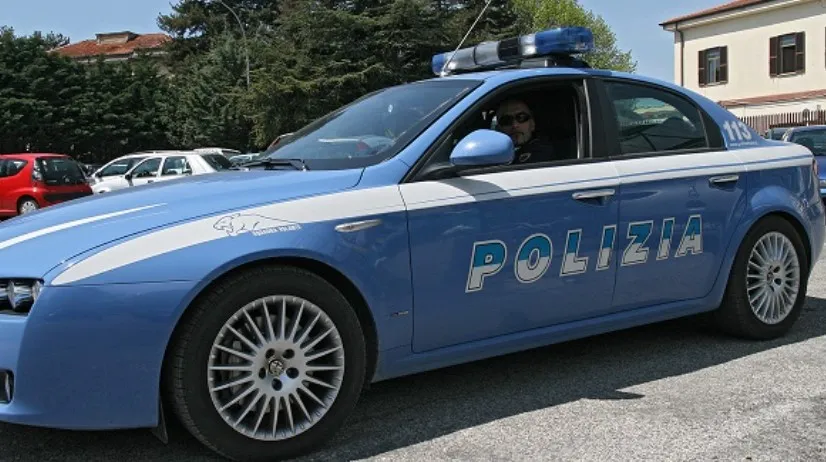
- 🟦 State Police - beyond 3,000 agents in total, with garrisons in the city and Olympic venues and reinforcements in the most sensitive places.
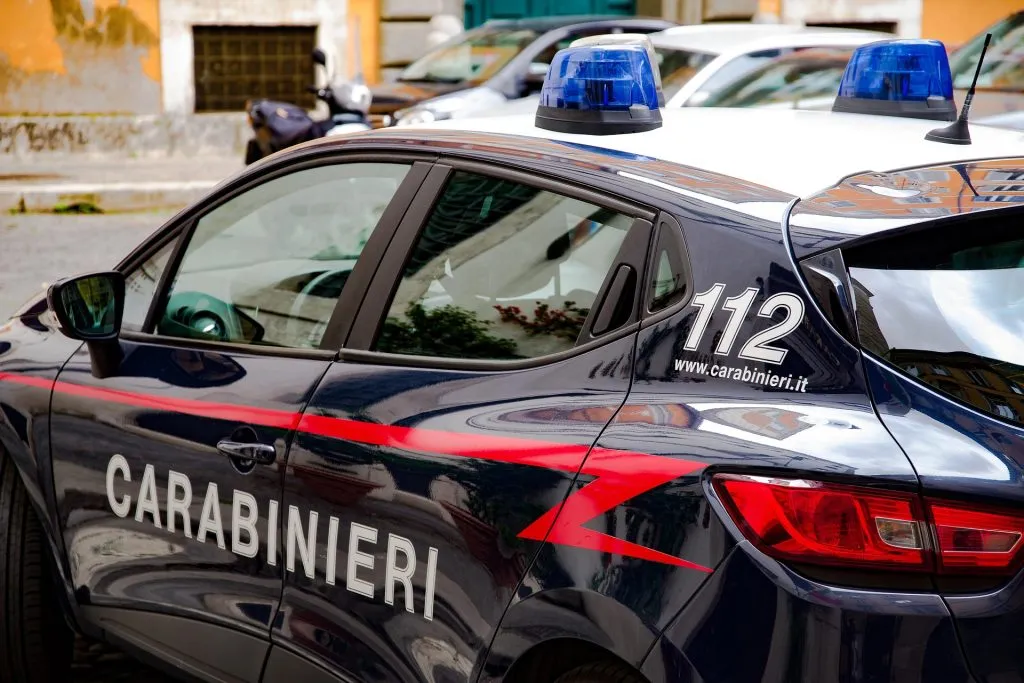
- 🟥 Carabinieri Corps - about 2,000 military personnel, with tasks of public order and plant protection.
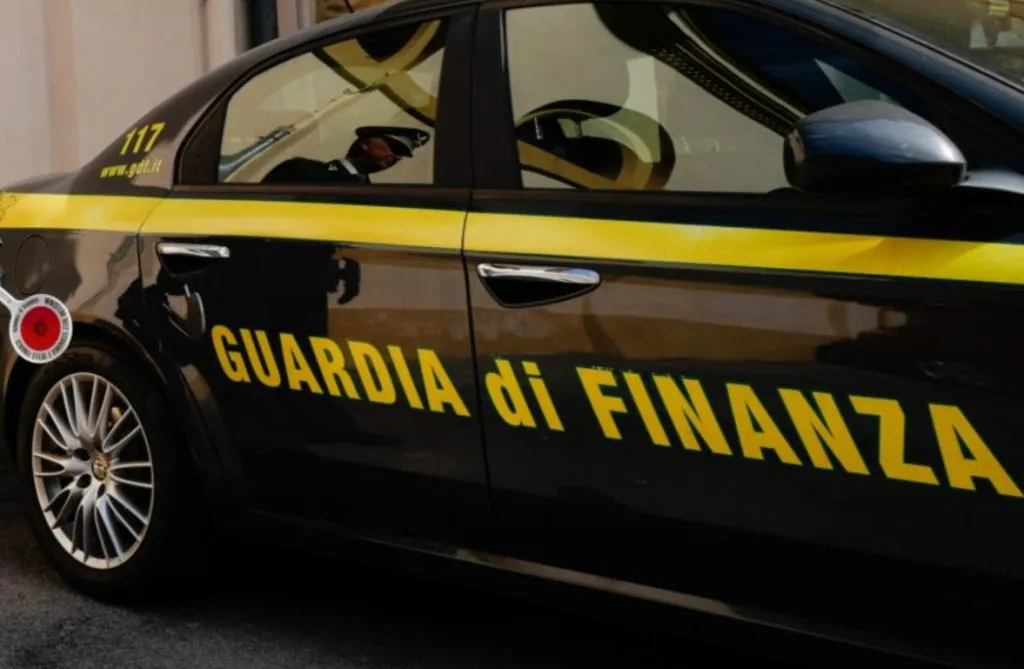
- 🟨 Finance Guard - about 800 units, also focused on economic and fiscal controls, but in close operational cooperation with other forces.
For Milan alone, several thousand reinforcements over and above the normal allocation are planned: for example, nearly 1,000 additional State Police officers will arrive for public order and management of the most crowded areas.
Who they are and what tasks they will have
State Police
Police will carry out:
- Control of roads and major traffic arteries,
- Prevention of and response to public order incidents,
- Special services with ski units and anti-sabotage bomb squads.
Carabinieri
The Carabinieri will be critical to overall security, with:
- Surveillance of strategic goals,
- Territory control.
- Support for city law and order services.
Finance Guard
In addition to anti-business activities and financial crimes, the Guardia di Finanza will contribute to:
- Monitoring of access areas to Olympic sites.
- Countering fraud and high-attendance illegal behavior (ticketing, receiving stolen goods, etc.).
Advanced technologies and means
For the first time at a major winter event in Italy, the security plan includes technological tools and high-profile measures:
- Drone and aerial surveillance at critical locations to monitor large influxes and movements.
- Robotic systems for inspections in potentially hazardous areas.
- No-fly zones and red zones-areas with controlled or prohibited access to prevent external threats.
- 24-hour cybersecurity - command center staffed by specialists to protect digital infrastructure, from ticketing systems to transportation and Olympic data networks.
International collaboration and special roles
Qatar Security Forces
A contingent of about 100 Qatari operators, with more than 20 special vehicles (including tactical SUVs and snowmobiles) has already arrived in Italy for training activities and logistical support ahead of the Olympics.
ICE agents (political controversy)
News has emerged of a possible presence of U.S. Immigration and Customs Enforcement (ICE) agency agents employed to support U.S. delegation security and intelligence and prevention activities, but not as public order agents on Italian streets. According to Italian authorities, they will be in support and cooperation roles from operational centers, not directly on patrol.
This participation, while limited, has created political debate in Italy about the role of foreign forces in such an important event.
Milan vs Cortina d'Ampezzo: differences in safety commitment
Milano
- Main urban center, scene of ceremonies and many ice races, with high traffic and long pedestrian streets.
- Increased presence of anti-public order officers and continuous surveillance services on city infrastructure.
Cortina d'Ampezzo and mountain resorts
- Safety focused on protecting slopes, ski facilities and race tracks.
- Combined operations between police, Carabinieri and financiers with knowledge of mountain terrain and winter conditions.
The security plan for the Milan-Cortina 2026 Olympic Games is one of the most complex that Italy has faced, with:
- About 6,000 police, Carabinieri and Guardia di Finanza officers
- Use of modern technologies: drones, robots and cybersecurity
- Red zones and no-fly zones for more effective controls
- Supporting international cooperation (without losing Italian control)
Every measure is designed to ensure that the event is conducted safely for athletes, operators, citizens and visitors, according to the highest standards of public order and prevention on an international scale.


 Italiano
  English
  Русский
  Français
  Deutsch
  简体中文
简体中文 