
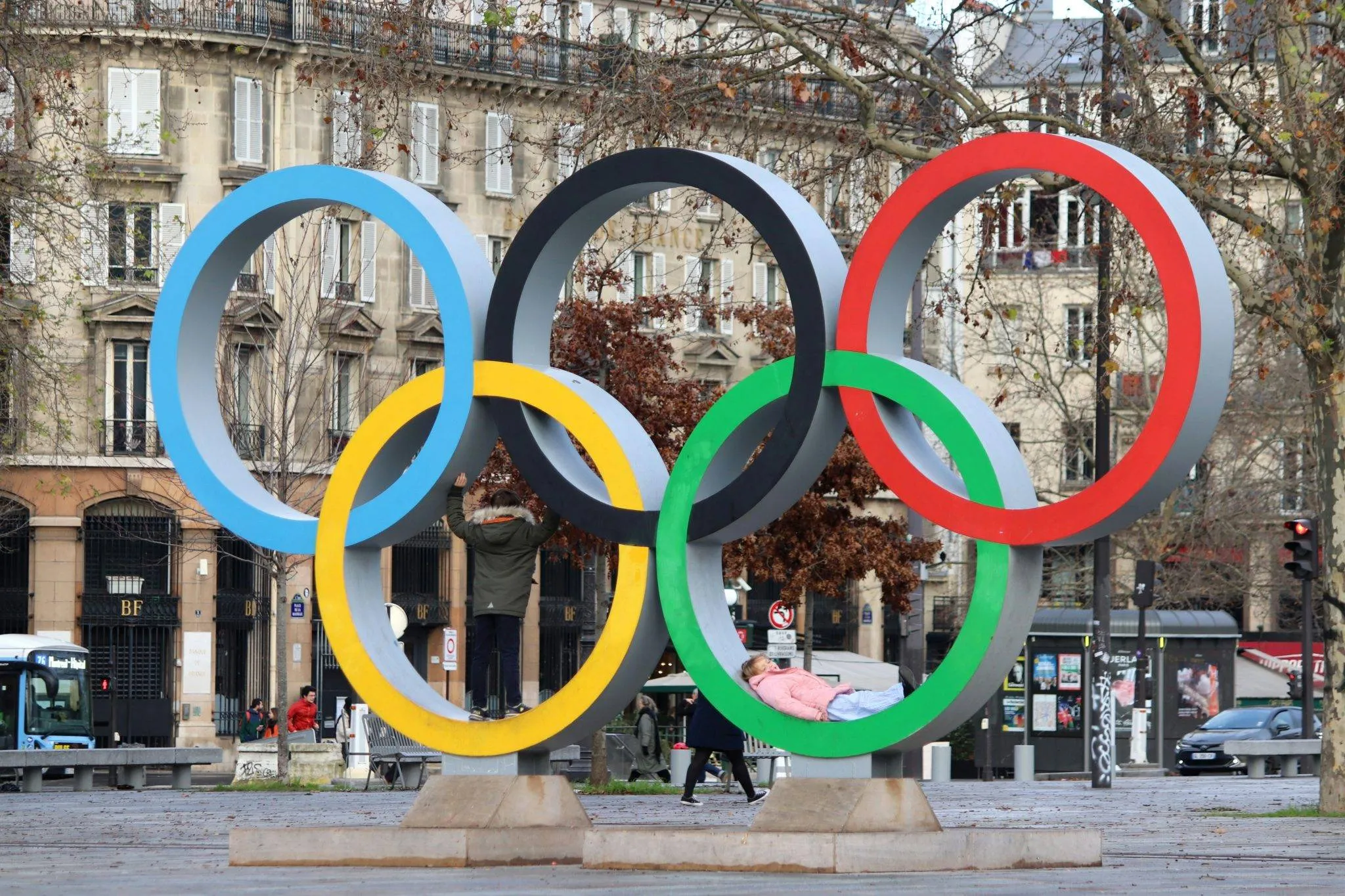
When it comes to the Olympics, the collective imagination immediately runs to the races, the medals and the torch that lights up the stadium. But behind every athlete parading through the Olympic stadium is a long journey of sacrifice, dedication and meticulous selection. For the Milan Cortina 2026 Winter Olympics, the process of choosing participants is as rigorous as it is fascinating, encapsulating stories of talent, passion and dreams realized.
Italy: a maniacal attention to detail
In Italy, the responsibility for selecting who will wear the blue jersey lies with the CONI, in close cooperation with national sports federations. It is not enough to be a champion: every athlete must prove that he or she can withstand pressure, have concrete results in international circuits, and embody Olympic values.
Qualifying competitions, World Championships, and World Cup trials become real testing grounds. Some federations organize national criteriums where only the best can earn valuable points. In the end, the decision is not only technical: experience, leadership and the ability to be an example for teammates and the public are evaluated.
For Milan Cortina 2026, Italy plans to bring among the 120 and 150 athletes, distributed among alpine skiing, cross-country skiing, snowboarding, skating, bobsledding, biathlon, curling and ice hockey. Some disciplines, such as alpine skiing and figure skating, will see larger teams, while others, such as curling, will have very limited places, making the internal competition even more heated.
Around the world: different rules, same goal
In other countries the path is also rigorous, but each nation has its own approach. In United States and Canada, for example, selections often go through public trials and high-level competitions, where even multiple medal-winning athletes must confirm their status. Countries such as Norway and Austria base everything on World Cup rankings, with point calculations that can decide who will wear the Olympic uniform. In Asia, Japan and South Korea combine international results with technical committee evaluations, choosing who can best cope with the competition conditions and represent the country.
In general, each nation receives a number of quota places determined by the IOC and by international federations, which takes into account world ranking, Olympic history and results in international circuits. In this way, the Games also maintain balance and competitiveness, offering each discipline a fair number of representatives.
Numbers, stories and trivia
The Milan Cortina 2026 Winter Games will be attended by approx. 3,000-3,200 athletes, from nearly 95 nations. The disciplines with the most participants will be alpine skiing, cross-country skiing, snowboarding and figure skating, but there will be no shortage of surprises from more "niche" sports such as biathlon or curling. The average age of participants will be between 24 and 28, with some young talent aged 17-18 ready to surprise.
The selection process also holds surprises: some athletes may qualify in more than one discipline, combining courage and versatility. And every choice, including technical ones, carries a symbolic message: carrying one's flag means representing Italy, telling one's story and inspiring new generations.
"To wear the Olympic jersey is not just a sporting achievement, it is to carry an entire nation with you. Every step on the slopes is a tale of sacrifice, passion and pride."


 Italiano
  English
  Русский
  Français
  Deutsch
  简体中文
简体中文 