
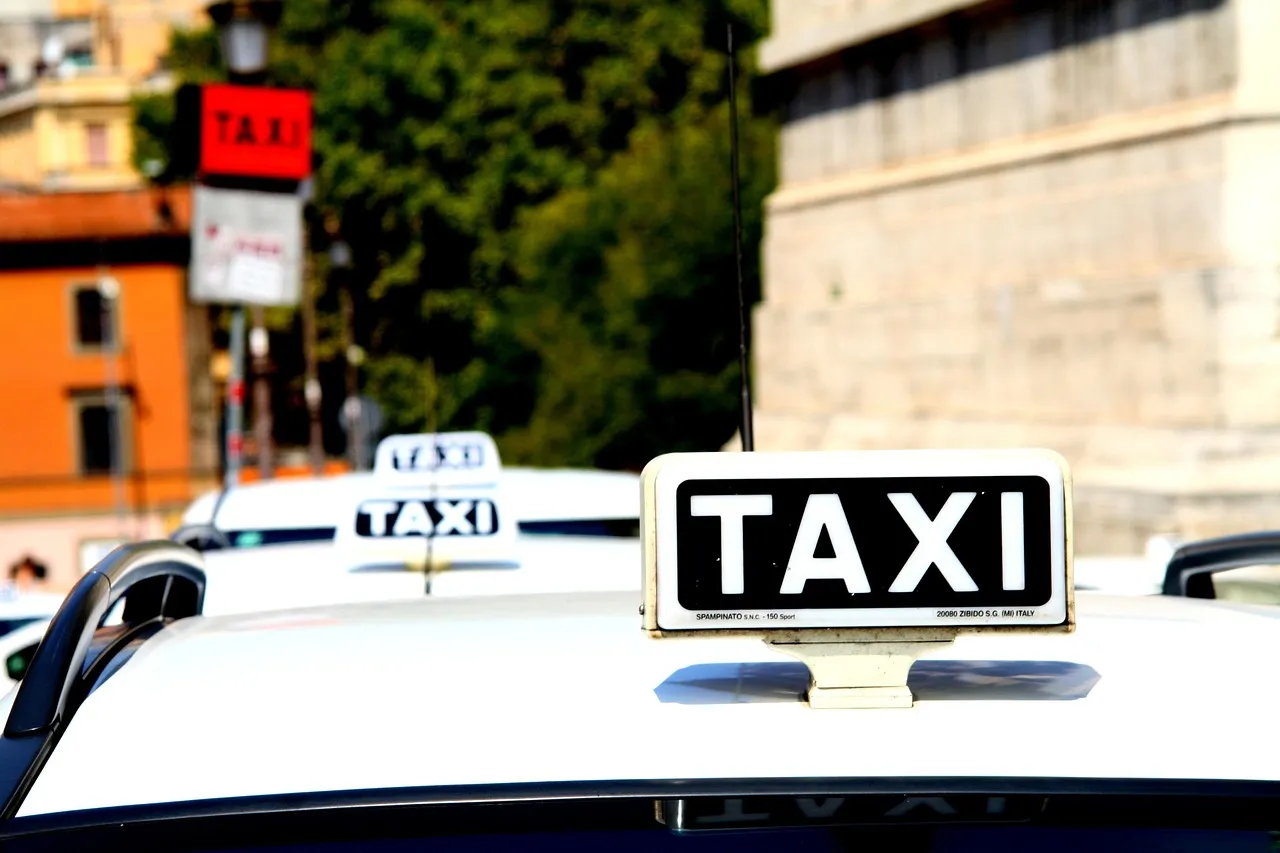
As the Winter Olympics Milan Cortina 2026, Italy is preparing to face one of the biggest logistical challenges in decades. The influx of athletes, delegations, journalists and spectators from around the world will put pressure on urban transportation, cab services and accommodation system, particularly in Milan but also in the cities and valleys involved in the competitions.
Cab in Milan: demand on the rise

During the Olympic period, the demand for cabs in Milan is set to grow significantly, especially on highlights such as the opening ceremony and the most anticipated finals.
To cope with peak demand, the mobility system provides:
- intensive use of the city cabs
- recourse to rental with driver (NCC) for scheduled travel
- integration with services of ride-hailing and digital platforms
It is not ruled out that, as happened in other major international events, operators from other Italian cities are also involved to support extraordinary flows, particularly for airport and interregional transfers.
Intercity mobility and connections to Olympic venues
The complexity of Milan Cortina 2026 lies in the geographical distribution of races: Milan, Cortina, Bormio, Livigno, Val di Fiemme and other alpine locations.
For this reason:
- the rail transport Will be central to connect Milan with Verona, Brescia, Trento and Bolzano
- are provided for dedicated shuttles to the venues
- the milan public transport Will be upgraded with extended schedules and reinforced lines
The goal is to reduce private car use and relieve pressure on cabs and urban roads.
Hotels and accommodations: capacity under observation
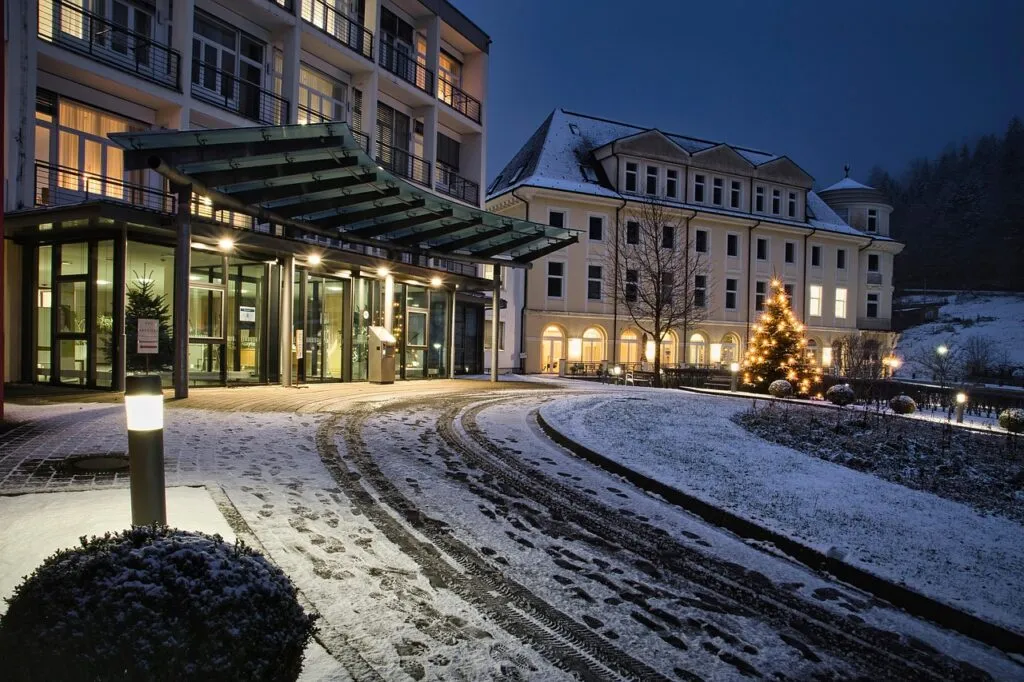
The reception system is one of the most sensitive aspects. Between Milan, Cortina and the Olympic resorts, the overall capacity of hotels Is high but highly stressed:
- a substantial proportion of the rooms are reserved for athletes, staff and media
- many structures are found to be book well in advance
- the short-term rentals and tourist apartments play a key role in covering the residual demand
In Milan and Alpine areas, apartments are an increasingly popular option for families and groups, although prices tend to rise on race days.
Olympics effect: prices and availability
Strong demand has already generated:
- tariff increases in hotels
- Increased rotation in short rentals
- Extension of housing search toward satellite city well connected (Verona, Bergamo, Brescia, Trento)
An expected dynamic, but one that requires attention to ensure a balance between hospitality, accessibility, and future tourism reputation.
Practical guide: how to get around and sleep during Milan Cortina 2026
Cab and commuting
- Book cab in advance via app or radio cab
- Currency NCC for long or scheduled transfers
- Use the enhanced public transportation in big cities
- Avoid peak times on opening and final days
Links between cities
- Prefer high-speed and regional trains For intercity travel
- Find out about official olympic shuttles
- Check for any traffic restrictions on the highlight days
Where to sleep
- Book hotels or apartments as soon as possible
- Consider alternative cities Well connected to the venues
- Always check that the booking platforms are official and reliable
Attention
- Wary of unauthorized resales of housing or services
- Check cancellation policies and contract terms and conditions
The Milan Cortina 2026 Winter Olympics represent a great opportunity, but also a complex organizational test. Cabs, mobility and the accommodation system will be called upon to work in an integrated way to ensure a smooth experience for visitors and citizens.
For those who will participate in the Games, the key word is one: programming.


 Italiano
  English
  Русский
  Français
  Deutsch
  简体中文
简体中文 