

The figure skating has always been considered the most artistic and exciting of the Winter Olympics. Between acrobatic jumps, dizzying spins and stage choreography, each performance is a perfect fusion of technique, music and emotion.
Behind every program are years of training, millimeters of precision and a heart pounding on the ice. But where does this discipline that enchants audiences around the world come from?
🕰️ Origins and Olympic debut
Ice skating has roots ancient: The earliest evidence dates back thousands of years, when peoples in northern Europe used animal bones as skates to move across frozen lakes.
However, the sporting discipline was born in the 19th century in England, with the codification of the first mandatory figures (hence the name "figure skating").
His olympic debut happened in a curious way: it was the first winter discipline to be included in the Summer Olympics London 1908. It was not until 1924, in Chamonix, that figure skating officially entered the program of the Winter Olympics.
🎭 The disciplines of figure skating.
Today, figure skating is divided into. four main categories:
🧍 Single (male and female)
Athletes perform on their own, with short and long programs that combine Jumps (triple, quadruple), spins, steps and choreography. Expressiveness is crucial, as is technical precision.
🤝 Pairs (pair skating)
A couple consisting of a man and a woman perform together spectacular elements such as Overhead lifts, tossed jumps, synchronized spins and complex steps. Harmony and synchronism are key.
💃 Ice dancing
Less jumping, more choreography. Dance enhances musicality, elegance and rhythm. The main elements are. Twizzles (synchronized spins), choreographed lifts and dance patterns. Much closer to the actual dance.
🌍 Team competition (team event)
Introduced in 2014, it is a competition between nations: Each team fields skaters in all specialties, adding up the scores. A kind of Olympic "World Cup" on ice.
📏 How the scoring works
Since 2004, the ISU Judging System, more detailed than the old "6.0 system."
The final score is the sum of two components:
- Technical Elements Score (TES) - For the difficulty and correct execution of jumps, spins, etc.
- Program Components Score (PCS) - for interpretation, transitions, choreography, performance and skating skills.
Each program (short and free) has its own score, and the sum of the two determines the final ranking.
🌟 The great Olympic icons.
🧊 Men:
- 🇷🇺 Evgeni Plushenko - charisma and power, gold in 2006
- 🇯🇵 Yuzuru Hanyu - double gold (2014, 2018), sublime technique
- 🇺🇸 Nathan Chen - 2022 Olympic champion, master of quadruplets
💫 Women:
- 🇷🇺 Alina Zagitova, 🇯🇵 Shizuka Arakawa, 🇰🇷 Yuna Kim
- 🇮🇹 Carolina Kostner - bronze in Sochi 2014, pure elegance
🎶 Why skating wins the heart
More than other sports, figure skating speaks the language of art: every athlete is also a performer; every race is a performance. It's not enough to jump high or turn fast: you have to tell a story, excite the audience, convey a feeling.
It is a sport that combines music, theater and athleticism in one fascinating formula.
❄️ Toward Milan-Cortina 2026
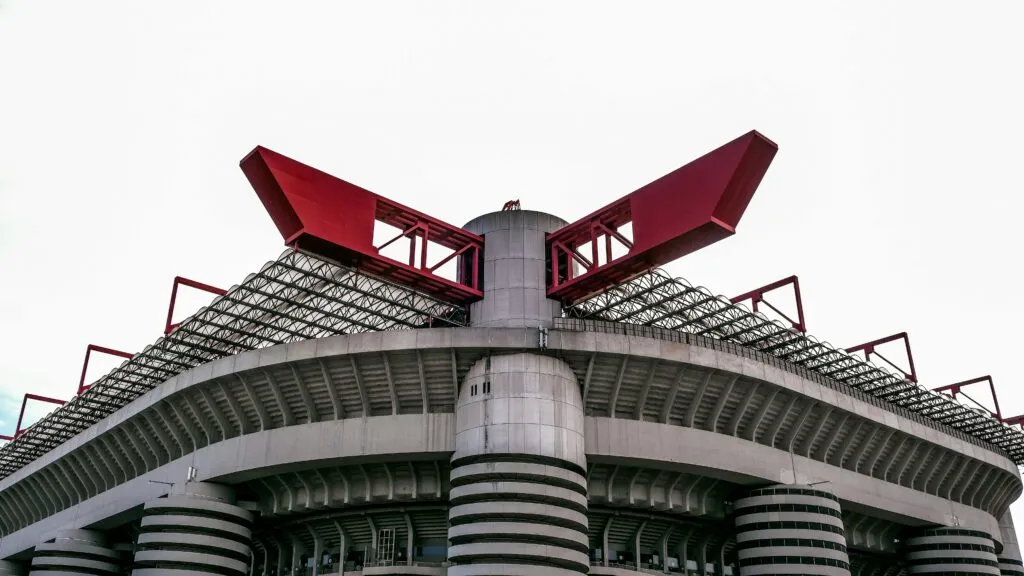
With the Winter Olympics returning to Italy, figure skating will have an extraordinary showcase. The always warm Italian public will be ready to support the new blue talents and to applaud the great international champions who will glide across the ice under the spotlight.

 Italiano
  English
  Русский
  Français
  Deutsch
  简体中文
简体中文 